
Single vs Double Vanity: Which is Right for You?
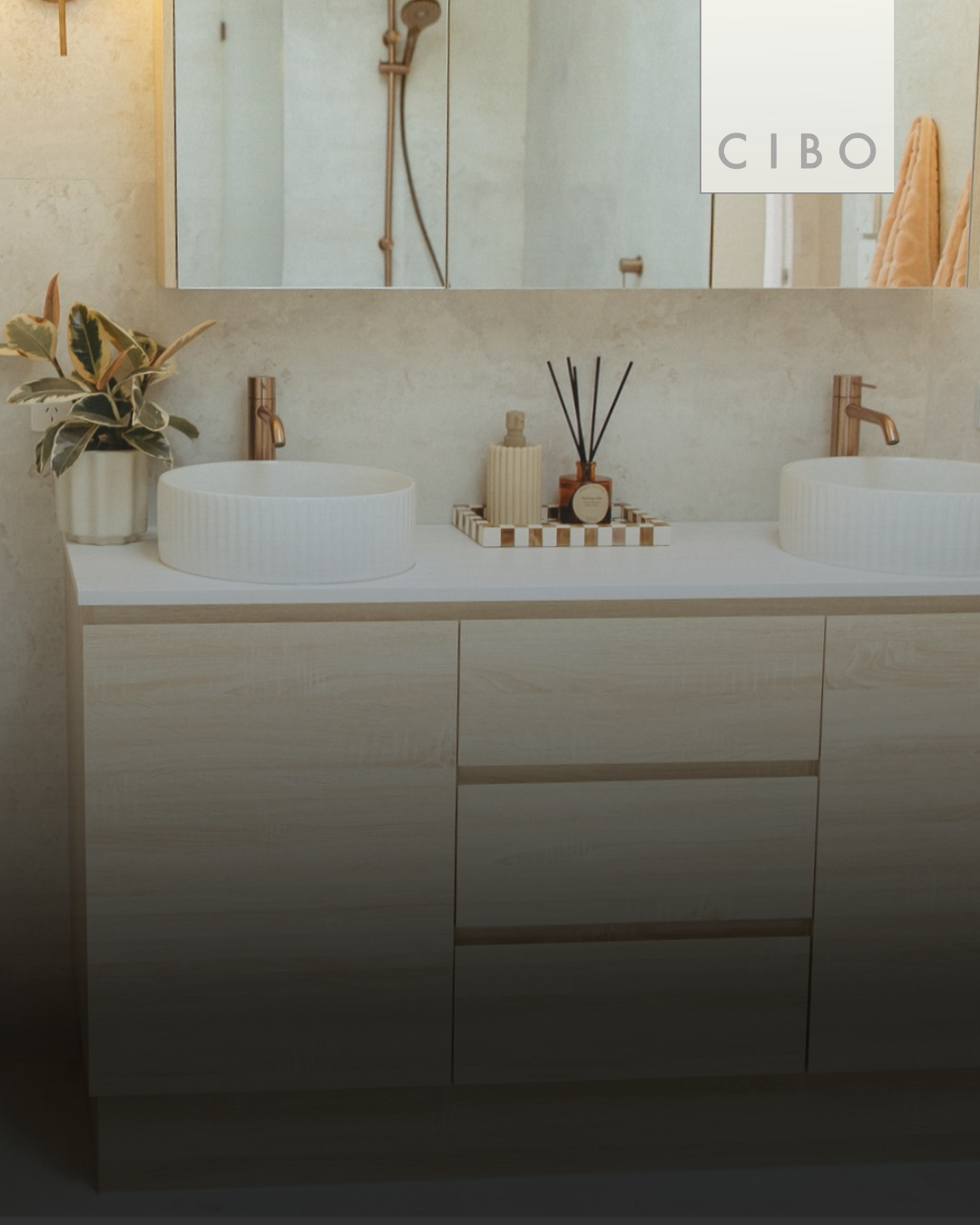
As the vanity is the focal point of a bathroom, getting this design choice right is essential when building or renovating. While colour, style, dimensions, and materials all play an important role, the vanity is also the hardest‑working fixture in the space and experiences the most daily use. One of the key decisions to make is choosing between a single or double vanity. Even when space allows, this choice deserves thoughtful consideration. In this post, we outline the key factors to help you select the right vanity for your bathroom.
What is a Single Vanity?
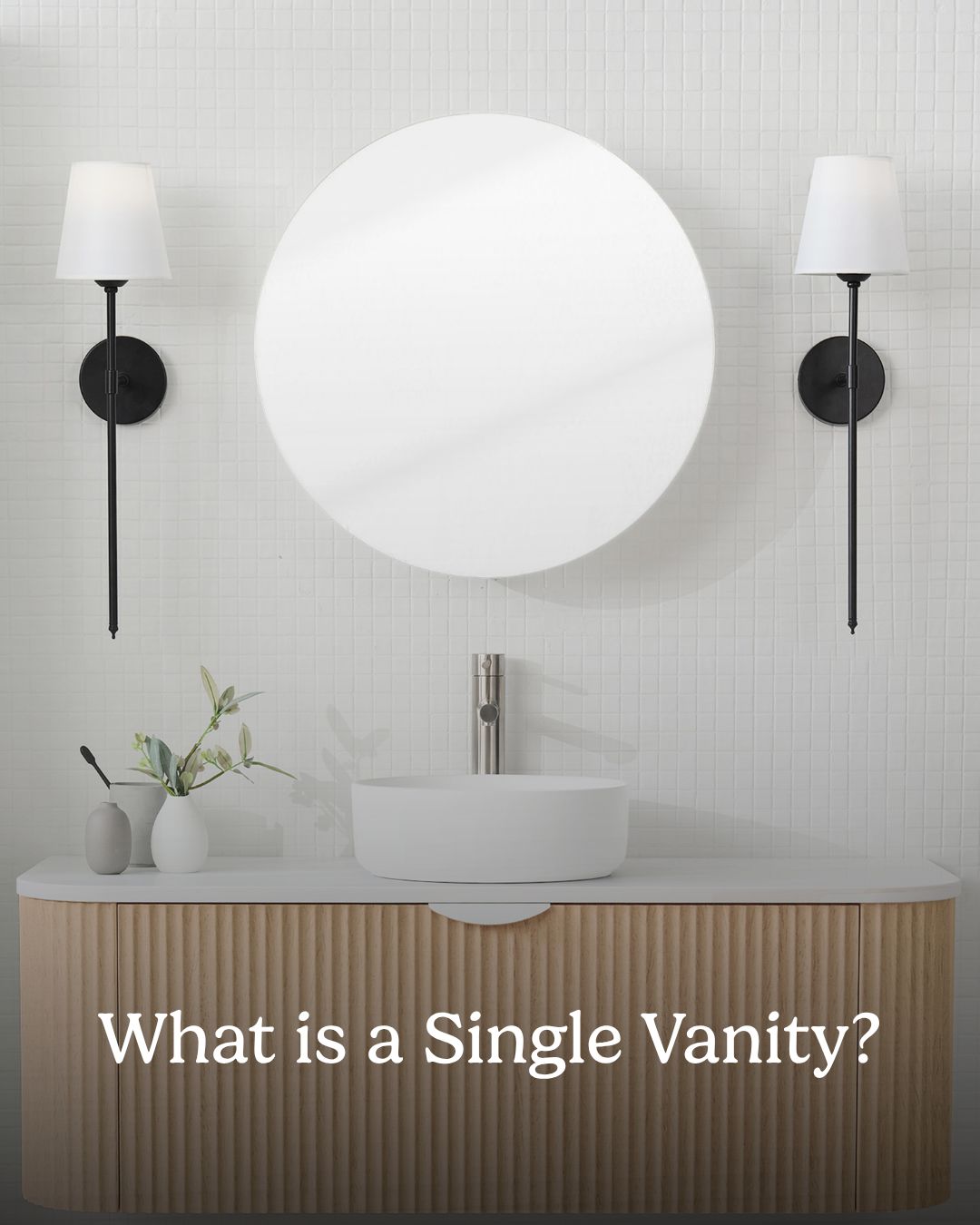
A single vanity is exactly as its name suggests. It’s a vanity where the benchtop has a single basin installation. There is only one tap, one basic and often only enough space to permit one person to use the vanity. A single vanity can come in a width that ranges from 450mm – 1200mm. The most common vanity size for a single vanity though is 600mm-900mm.
What is a Double Vanity?
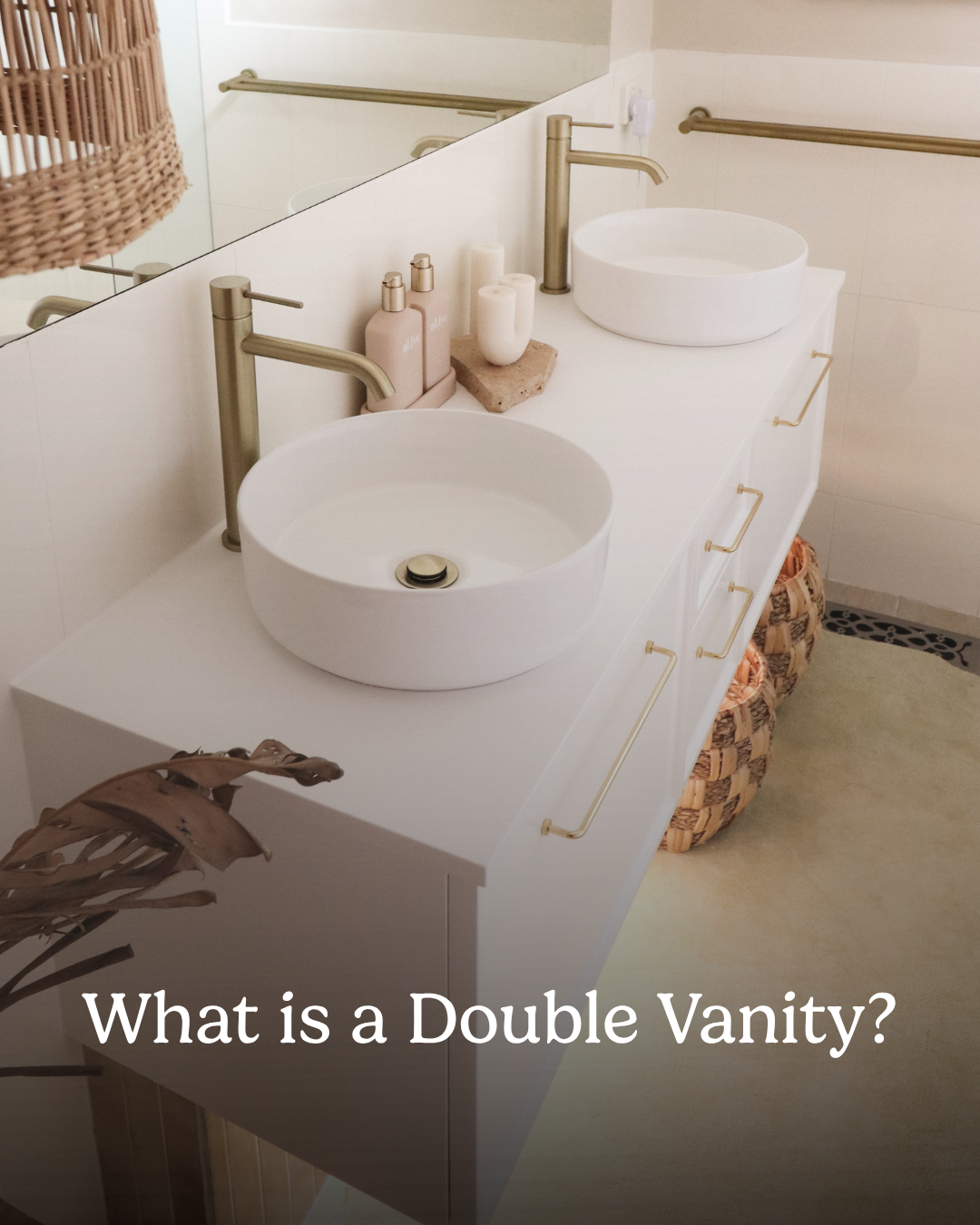
A double vanity is a wider bathroom fixture designed with two basins, each with its own tap. To comfortably accommodate both basins, double vanities typically start at 1500mm wide and can extend to 1800 mm or more.
Pros and Cons of a Single Vanity
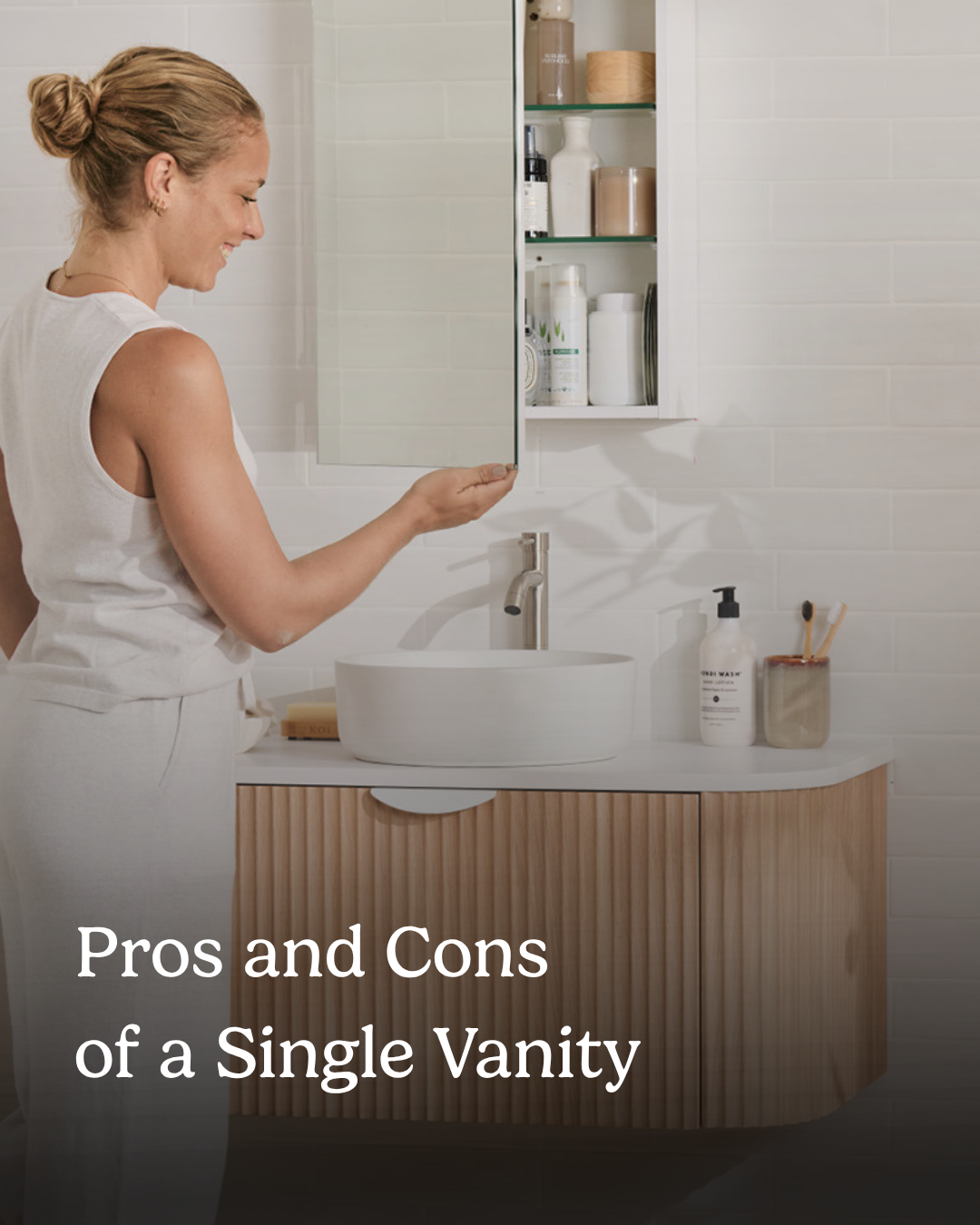
Single vanities have long been the most popular choice in Australian bathrooms. However, as our homes—and the way we use them—have evolved, so too has the functionality and design of this essential fixture.
Advantages of a Single Vanity
One of the greatest advantages of a single vanity is its efficient use of space. It delivers all the functionality a bathroom needs without overwhelming a compact layout, making it ideal for powder rooms and family bathrooms alike. With just one basin, tap, and benchtop, a single vanity is also easier to clean and maintain—offering everyday practicality with minimal fuss.
A single vanity can be a-cost effective option if your bathroom renovation is on a budget as due to its smaller design, it will have a lower price point than a double vanity.
Generous benchtop space can be another valuable advantage, particularly for tasks such as makeup application or using heated hair tools, where having room to place items adds everyday functionality. In this regard, 1200mm single vanities offer an excellent balance of space and practicality without overwhelming the bathroom.
Disadvantages of a Single Vanity
The main limitation of a single vanity is that it only accommodates one user at a time, with reduced benchtop and storage space for everyday hygiene items. This can make it less practical in shared family or main bathrooms where multiple household members use the space daily.
In larger bathrooms, a single vanity may also feel visually underwhelming or out of proportion. From a resale perspective, it can be perceived as a compromise, particularly for families who often expect the functionality of a double vanity.
Pros and Cons of a Double Vanity
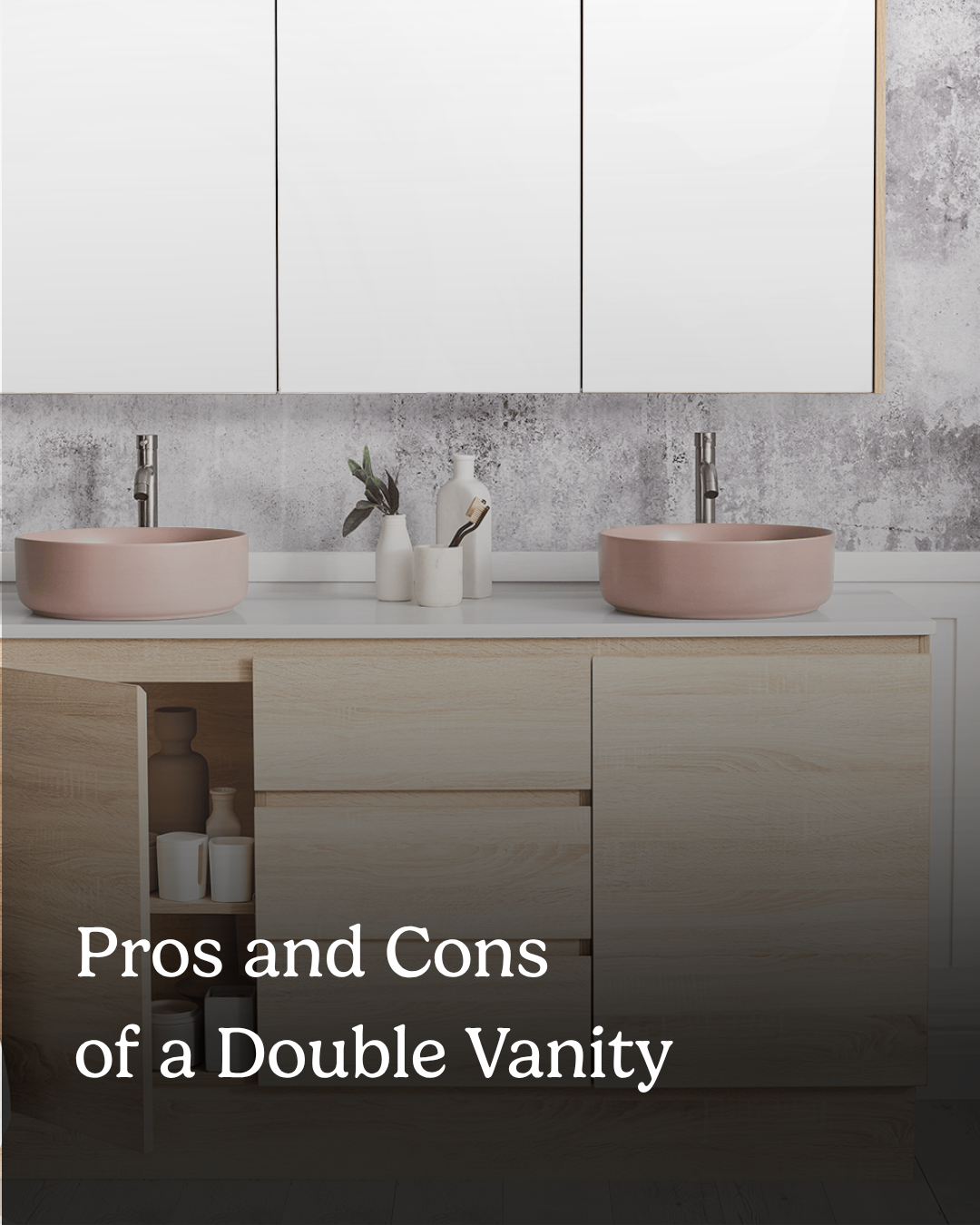
Double vanities are increasingly popular in new builds and renovated family bathrooms and ensuites. While on trend, it’s important to consider whether this style is the right fit for your bathroom space and lifestyle.
Advantages of a Double Vanity
Double vanities offer a range of benefits in bathroom spaces, particularly in ensuites and family bathrooms. By allowing two users to access the vanity at the same time, they help reduce morning and evening bottlenecks and support a smoother daily routine.
With increased benchtop space and generous storage, double vanities make it easier to keep benchtops clutter‑free and organised. They also allow each user to enjoy their own designated area, enhancing comfort and functionality. This added convenience can help minimise household tension and is often seen as a desirable feature for families—making double vanities a strong consideration for both everyday living and future resale value.
Disadvantages of a Double Vanity
Double vanities do require careful planning. They need additional space and come at a higher cost, both for the vanity itself and installation, as extra plumbing fittings and labour are involved.
Ongoing cleaning and maintenance should also be considered, as there are two basins, taps, and larger benchtop areas to care for and maintain.
With most double vanities measuring a minimum of 1200 mm wide, the bathroom must comfortably accommodate the cabinet while allowing sufficient clearance on either side to avoid a cramped appearance. It is recommended 100mm clearance on either side of a double vanity for visual balance but also ease to clean.
Plumbing is another key factor, as two water supply points and waste connections are required, making it essential to confirm the existing plumbing can support a compliant installation.
And while double vanities enable shared use, bathrooms remain a personal space. For some households, reduced privacy may be an important consideration when deciding whether a double vanity is the right fit.
Single vs Double Vanity at a Glance
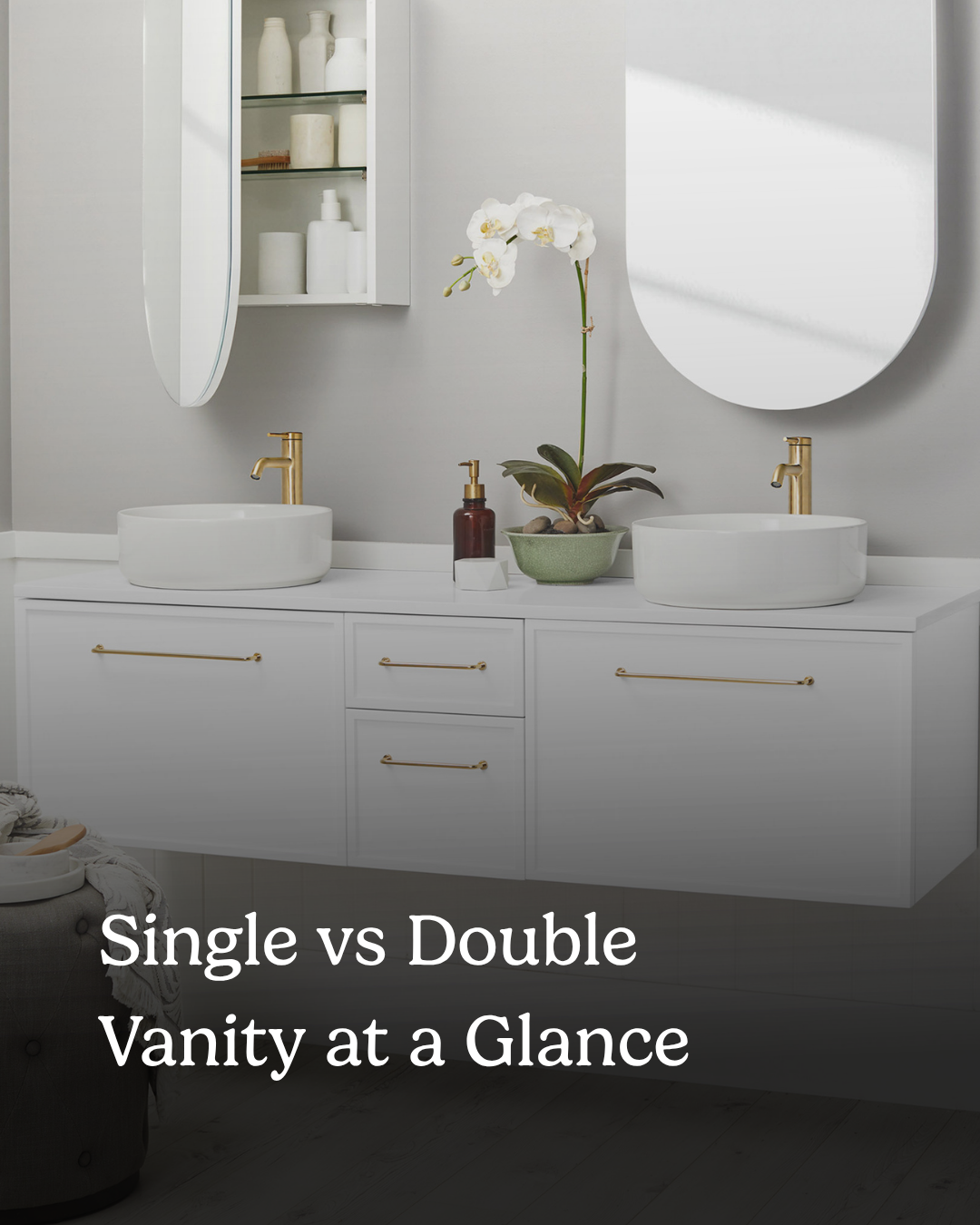
When comparing a single versus double vanity, the decision ultimately comes down to a few key considerations. While there are several factors to weigh, space is the most important. If your bathroom can comfortably accommodate a double vanity and the plumbing allows for it, this option may offer greater functionality. However, in homes with multiple bathrooms or where space is limited, a single vanity can be a practical and well‑balanced choice.
Which Vanity is Right for Your Bathroom?
If you’re still deciding between a single or double vanity, Cibo Bathroomware offers a range of resources to help guide your choice.
· Choosing the Best Top for a Bathroom Vanity
· 8 Bathroom Ideas for Every Home
· Countertop vs Integrated Basins: Pros & Cons for Bathrooms
Why not explore the collection online and discover which vanity will best suit your space, lifestyle, and design vision.